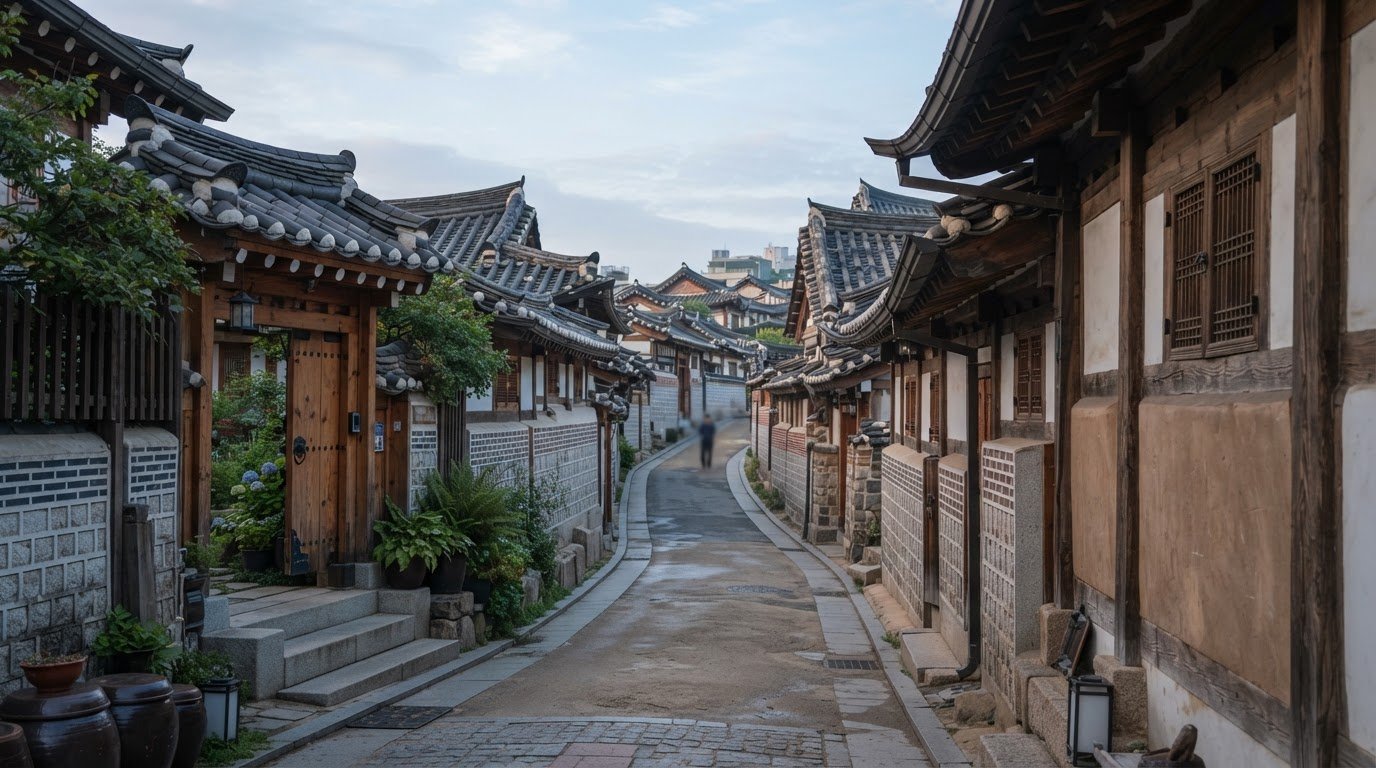
Jeonju Hanok Village for First-Time Visitors: Architecture, Food and a Slower Walk
Jeonju rewards travelers who slow down. Rooflines, courtyards and food stalls share the same streets, but the Hanok Village is more than a backdrop for photographs. Here is a grounded first-time guide to choosing what to see, what to eat and how to respect the neighborhood.
Why visit Jeonju Hanok Village?
Jeonju Hanok Village is known for its concentration of traditional Korean-style houses, or hanok. For travelers curious about architecture and regional food, it offers a different experience from Seoul’s shopping districts. Its public streets, cultural sites, cafés, accommodation and businesses overlap, so expect both heritage and contemporary tourism.
Start at the visitor information center
The village has an official visitor information center that is a sensible starting point for current maps, cultural programs and local guidance. Confirm its location, opening hours and address on the official village website before you go, since they can change. The site also describes its Star of Hanok certification for participating accommodation and food businesses. A certification is a useful signal to investigate, not a guarantee that every traveler will have the same experience.
A gentle walking plan
- Orient yourself: start at the information center and mark the sites you most want to visit on a current map.
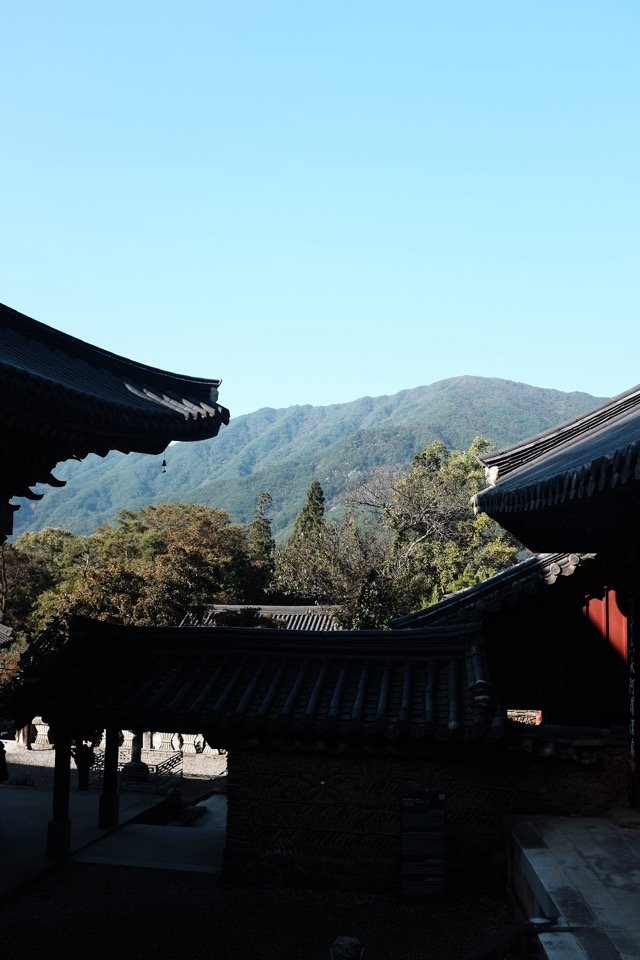
- Notice the roofs: compare the curved tile profiles, timber framing and courtyard arrangements rather than photographing only shop signs.
- Choose one heritage stop: consider Gyeonggijeon Shrine, Jeondong Cathedral or the traditional Confucian school area, subject to current access and opening rules.
- Pause for food: make time for a proper meal instead of filling the whole day with snacks.
- Leave breathing room: explore side streets where public access is permitted and avoid disturbing residential courtyards.
What should you eat?
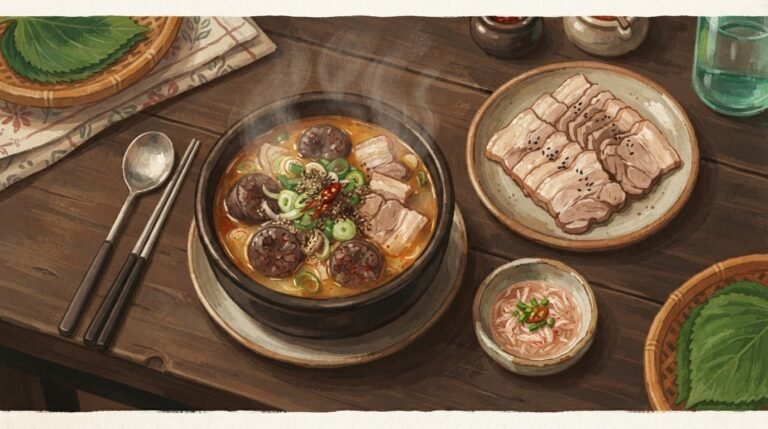
Jeonju is strongly associated with bibimbap, but the most rewarding choice is not necessarily the restaurant with the longest line. Compare menus, prices and recent reviews before deciding. You can also explore local sweets, tea and street-food stalls, remembering that a tourist snack street does not represent the full breadth of regional cuisine. Visitors with allergies should ask about ingredients and shared preparation equipment rather than relying on a dish name.
Hanbok, crafts and souvenirs
Hanbok rental can add a playful dimension to the visit, but check the rental period, return policy, cleaning conditions and any extra charges before paying. Craft shops offer another way to engage with local makers. Ask whether an object is made locally rather than assuming everything sold in a heritage district is handcrafted there.
Should you stay overnight?
An overnight stay can be worthwhile if you want to experience the area beyond the busiest daytime hours. For a hanok stay, verify bathroom arrangements, bedding style, sound insulation, heating or cooling, luggage access and check-in requirements. Traditional architecture does not always provide the same accessibility or privacy as a modern hotel.
Visitor etiquette
Some picturesque lanes are also residential spaces. Keep voices down near homes, avoid photographing people through windows, respect no-entry signs and never assume a gate is open to the public. The most meaningful travel photographs often come from observing the streets respectfully, not staging a scene on someone’s doorstep.
Planning notes that may change
Do not rely on an old blog post for attraction admission prices, opening days, performance schedules or intercity train and bus times. Confirm your route from your departure city using the relevant transport operator, and check each cultural site’s own current information. A walk through public streets and a paid visit to an individual attraction are not the same thing.
Frequently asked questions
How long should I spend in Jeonju Hanok Village?
Half a day is enough for the main streets and one meal. A full day or an overnight stay lets you explore the quieter lanes and the cultural sites at a slower pace.
Is Jeonju easy to reach from Seoul?
Yes, by intercity train or bus. Check the timetable from your departure station or terminal on the operator’s website before you travel.
Use the official Jeonju Hanok Village website for visitor information and certified businesses. The Korea Tourism Organization provides broader travel planning resources. For a contrasting urban walk in Seoul, see our Anguk-to-Seochon hanok walk. For your first arrival in Korea, see our Incheon airport guide.
Information reviewed: November 22, 2026. Village information, admission, opening hours and transport times change, so confirm them on the official sources before you travel.