3 Days in Seoul: A Local’s First-Timer Itinerary by Area (2026)
Three days is enough to see three very different sides of Seoul, as long as you group sights by area instead of crossing the city every few hours. This itinerary, put together by a Seoul-based architect, gives each day one area: the old city around the palaces, the relaxed west with its markets and river, and Seongsu, the old factory district turned design neighborhood. Each day links to a detailed guide, with the places and food I actually recommend.
The plan at a glance
| Day | Area | Highlights | Main stations | If it rains |
|---|---|---|---|---|
| 1 | Old city | Bukchon hanok lanes, Korean tea, MMCA Seoul, Gyeongbokgung, Tongin Market | Anguk, Gyeongbokgung (Line 3) | MMCA Seoul, palace halls, the covered market |
| 2 | West Seoul | Yeonnam-dong, Mangwon Market, Han River park | Hongik University (Line 2), Mangwon (Line 6) | Cafés and the market |
| 3 | Seongsu | New architecture, factory cafés, pop-ups, Seoul Forest | Seongsu (Line 2), Seoul Forest (Suin–Bundang) | Cafés, shops and pop-ups; COEX as a backup |
Before you go
- Pick a base first. Staying near City Hall, Anguk or Hongik University Station changes how long each day’s commute is. See where to stay in Seoul on your first visit, and our Incheon Airport to Seoul guide for the trip in.
- Decide how you will pay for transport. Our Tmoney vs Climate Card guide explains when a pass is worth it.
- Get the right map app. Google Maps is limited in Korea; see our Naver Map and KakaoMap guide.
- Check palace closing days. Gyeongbokgung is closed on Tuesdays, so don’t put Day 1 on a Tuesday, and check its official page for seasonal hours, because closing time is earlier in winter.
Day 1: The old city
| Time | Plan |
|---|---|
| 10:15 | Anguk Station, then uphill into the Bukchon hanok lanes |
| 11:15 | Magpie&Tiger Bukchon Tea Store for a tasting and souvenirs |
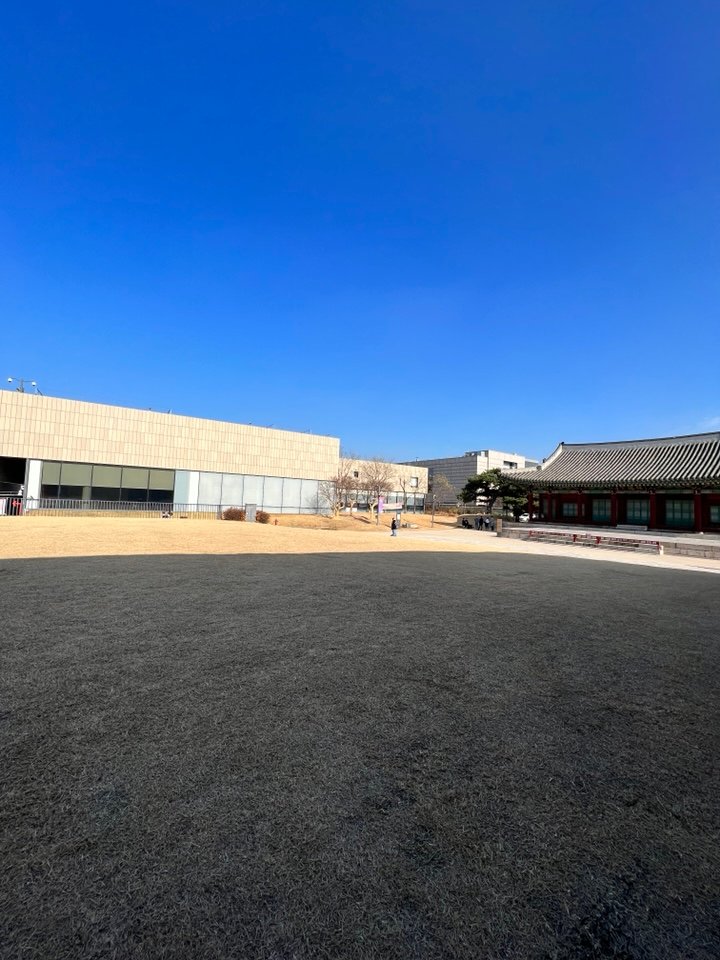
| 11:45 | MMCA Seoul’s courtyards and galleries |
| 13:00 | Lunch at Tongin Market in Seochon |
| 14:30 | Gyeongbokgung Palace |
| Evening | Walk along Cheonggyecheon Stream; in winter, the lantern festival |
Morning. Start at Anguk Station and walk north into the Bukchon hanok lanes. The streets are residential, and the city restricts tourist visits in the designated area to 10:00–17:00, so don’t plan an early or late visit here. On the way down, stop at Magpie&Tiger’s tea store, where you can taste Korean teas, and walk through the courtyards of MMCA Seoul, where modern galleries and Joseon-era buildings sit side by side. Our Anguk to Seochon walking route has the full route, with exits, hours and prices.
Midday. Follow the palace wall west to Seochon for lunch around Tongin Market, then spend one to two hours inside Gyeongbokgung. Arrive well before closing, because last entry is earlier than closing time.
Evening. Finish at the Gwanghwamun end and take an easy walk along the Cheonggyecheon stream. From December 11 to January 31, this is where the lanterns of the Seoul Winter Festival float above the water, and in winter you can even skate at the outdoor rink in front of Seoul City Hall. For a lively dinner, Gwangjang Market is a short subway ride east.
A local’s view: Anguk is where you can feel the calm side of Korea. It is busy with visitors now, but walk slowly between the hanok and the low buildings and you will feel your mind settle.
Day 2: West Seoul and the Han River
| Time | Plan |
|---|---|
| 10:30 | Yeonnam-dong and the Gyeongui Line Forest Park |
| 12:00 | Mangwon Market: stuffed fried peppers and tteokbokki at Uirak |
| 14:00 | Mangwon Hangang Park by the river |
| 17:00 | Dinner at Gangdongwon for tangsuyuk |
| Evening | Hongdae |
Morning. West Seoul rewards a later start. Begin around Hongik University Station and walk into Yeonnam-dong, where small cafés and independent shops line the Gyeongui Line Forest Park, a former rail line turned linear park.
Midday and afternoon. Ride Line 2 one stop to Hapjeong and change to Line 6 for one stop to Mangwon. Mangwon Market is always packed with visitors from all over Korea and is one of the best places in Seoul to graze on street food. Then walk to the Han River. Our Mangwon Market guide has the details, prices and waiting tips.
A local’s tip: At Mangwon Market, get the gochu twigim at Uirak, large peppers stuffed and fried like dumplings, and eat them with tteokbokki. And don’t leave the neighborhood without the tangsuyuk at Gangdongwon; expect a queue, it is worth it.
Evening. Hongdae gets busy after dark. If you plan a late night, check the last train for your line in a map app first, since most lines stop running around midnight.
Day 3: Seongsu-dong
| Time | Plan |
|---|---|
| 12:00 | Café Onion Seongsu, in a converted old factory |
| 13:00 | Haus Nowhere Seoul and Corner 50 |
| 14:00 | Tamburins and Dior Seongsu, facing each other on Yeonmujang 5-gil |
| 15:00 | Pop-up stores along Yeonmujang-gil |
| 16:30 | Seoul Forest |
Seongsu is the best place in Seoul to see unusual new architecture, and its streets are full of brand pop-ups. Behind all that energy it is still an old factory district, and the best places keep that rough character. Our Seongsu architecture walk covers each building and the route.
A local’s tip: Start at Café Onion. It has been around for a while, but its raw, unpolished factory space lets you feel what Seongsu is really like.
Rain or cold? Seongsu works well indoors with its cafés and shops. For a fully indoor alternative, COEX Mall, connected to Samseong Station on Line 2, has the Starfield Library, shops and restaurants.
Swaps and extras
- K-pop fans: work a meal from our BTS restaurant guide into any day.
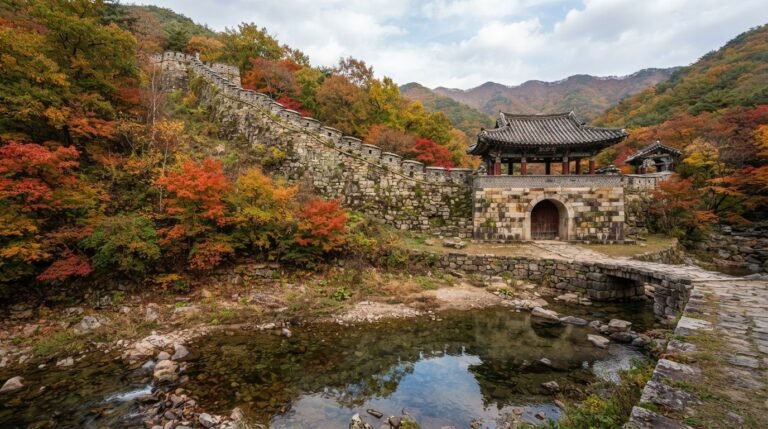
- A day trip: swap Day 3 for Hwaseong Fortress in Suwon, about an hour from Seoul by train.
- More time: take the KTX to Busan or Gyeongju.
Pace and packing
- Wear shoes you can walk in. Bukchon is hilly and palace grounds have uneven paving.
- Leave your first evening free if you are adjusting to the time difference.
- Carry a little cash for markets, even though cards work almost everywhere.
Frequently asked questions
Is three days enough for Seoul?
It is enough for a first look at three very different areas at a relaxed pace. With a fourth day, add a day trip to Suwon or more time in the neighborhoods you liked most.
Which area is the best base?
City Hall is the most central base. Anguk suits the old city, and Hongik University Station suits a direct airport train and evenings out. Our where-to-stay guide compares them.
Can I do this itinerary in winter?
Yes. Daylight is shorter and palaces close earlier, so put the outdoor stops in the middle of the day. In December and January, the Seoul Winter Festival adds lanterns, light shows and an outdoor ice rink to your Day 1 evening.
What should I buy as a souvenir?
Korean tea is a good choice: light, easy to pack and very Korean. You can taste before you buy at Magpie&Tiger’s tea store in Bukchon on Day 1.
Information reviewed: November 24, 2026. Palace hours, closing days, restaurant waits and seasonal events change; confirm them before you travel.